But what's iron for?
The role of iron is essential, because it is a component of hemoglobin that is used to transport oxygen through red blood cells in organs such as the brain, kidneys, heart or muscles). Iron is not naturally produced by the body, so its rate will depend on the input and use of iron, which is why iron deficiencies can be frequent.
The list of iron-rich foods
- Black chocolate (at least 70% cocoa)
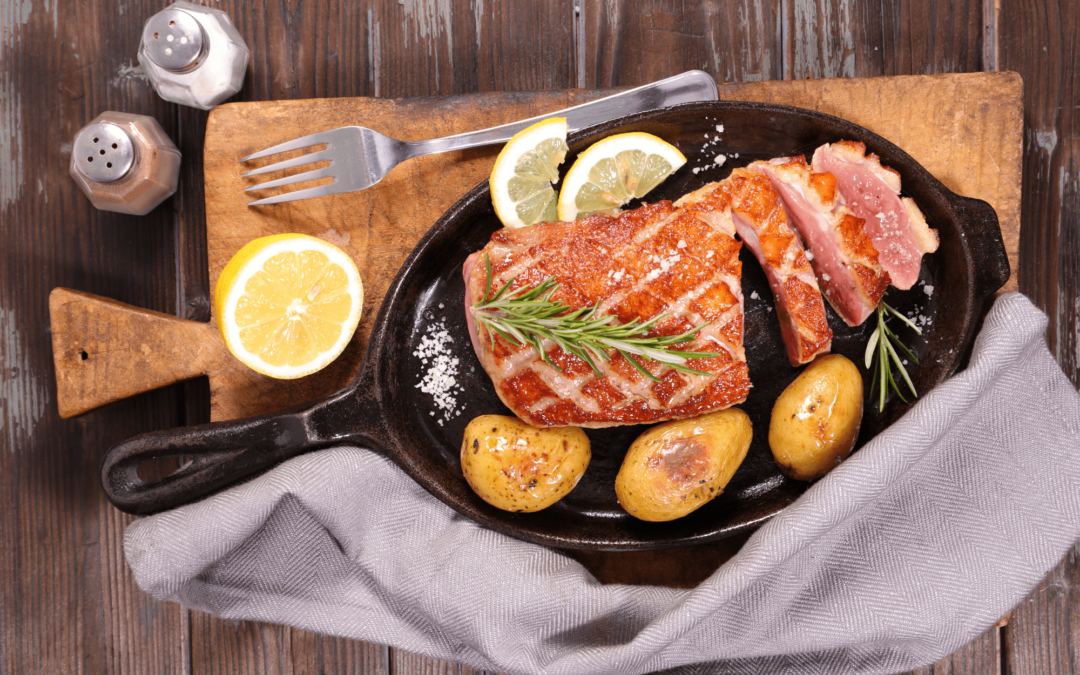
- Meat of beef and duck
- Moulds and oysters
- Lenses
- White beans
- The black boudin
- Offal: kidney, liver
- Spirulina
- Dried aromatic herbs especially l-origan but also thyme, basil, mint, marjoram, Provence herbs, parsley, sarriette, etc.
- The seeds of cumin, fenugrec, fennel, coriander, chia, sesame, ...
If you are an amateur of coffee or tea, beware of the tannins present in these products because they can alter the assimilation of iron from vegetable origin. It is better to drink a tea (green or sencha instead, because oxidative and rich in vitamin C) or coffee between 30 minutes and 1 hour after the meal.

Several types of iron
Some foods contain heminic iron or animal iron, such as animal proteins: red meats, fishes, crustaceans (poultry, oysters, mussels, etc.), offal (brown kidneys, liver), charcuterie (black bud), ... This heminic iron is the best assimilated of any diet. In addition, foods of animal origin also contain a good level of zinc which helps in the proper assimilation of iron. Moreover, iron from products of animal origin is the most present in the body, about 70%.
Non-heminic iron is contained in fruits, vegetables and legumes, they are products which have a lower iron content and whose iron is more difficult to assimilate by the body. Among the foods containing non-heminic iron are algae which contain "complexed" iron, this iron is surrounded by vegetal molecules that allow it to be much better assimilated by the organism. Spirulina, wakamé or dulse are algae that have a good complex iron content. You can consume them in capsules as a food supplement or as powder or glitter to sprinkle on soups, salads, ...
Increase iron absorption
The iron of plants is better assimilated by the organism when it is associated with foods rich in vitamin C such as kiwi, red fruits, citrus fruits, peppers, spinach, ... The assimilation of iron can also be boosted by fermented foods such as cabbage (cushion, kimchi). It is interesting to turn to soft cooking (steam or choking) and low temperature because the quality of minerals is altered to more than 100 degrees.
La consommation de fer est très importante au quotidien afin de limiter au maximum les risques de carences de cette molécule. En effet, les carences en fer sont extrêmement fréquentes et responsables de beaucoup de symptômes comme la fatigue, un essoufflement, des maux de tête, …