
A study on rejuvenation of the organism
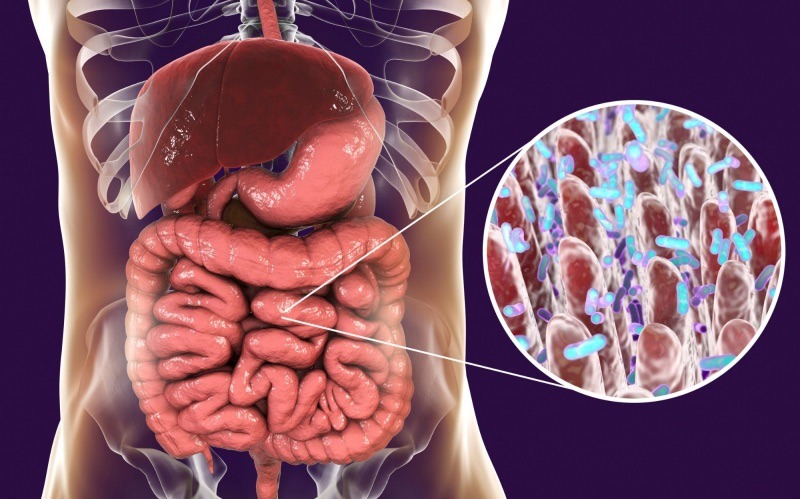
A very recent study (04/05/2023) conducted by researchers at the Nice Cancer and Aging Research Institute found that by extending the lifespan of cells in the intestines of zebra fish, which is very close to humans on a genetic level, it was also possible to to rejuvenate the entire body of 40 %.
Researchers who have conducted this study want to delay the aging process without increasing the risk of cancer or disease, their latest findings have highlighted The intestine as the organ by which aging begins.
In fact, this new research suggests that slowing down the aging of the intestine would slow down the whole body's aging, in any case it seems to occur on the zebra fish.
The link with the intestinal microbiota
The research has been carried out on the zebra fish as this invertebrate shares 70% of its genes with humans and especially the genes related to age and cancer, because their way of aging is similar to ours. The researchers used telomerase, an enzyme produced until birth, injected it into the intestines of these zebra fishes and then observed that the decline in this organ was slowing. And the results obtained showed that delaying the aging of cells in the intestines of zebra fishes also allowed for delay the modification of the intestinal microbiota which appears with aging. This is also the case in humans.
The results of this research also showed that not only the aging of the zebra fish intestines had slowed down, but also that of all organs, and that this was It was sufficient to extend the life of fish by 40%.
In conclusion, this research shows that the slowing of aging could be initiated by slowing down the aging of the intestine, which could bring new therapeutic and diagnostic discoveries.