Nutrition and hair micronutrition in women
The vitality of your hair begins on the plate. Correcting the deficiencies before treating the consequences: Dr.Cayatte's medical approach.
A dense hair is first a nutritional marker
A dense and luminous hair is the reflection of a balanced organism. Before being an aesthetic subject, hair health is a Nutrition marker : The hair follicle is one of the most active and demanding tissues in the body, and it is also one of the first to show an imbalance.
In the Office of the Dr Marianne Cayatte, in Montpellier, the management of hair loss in women is based on a conviction derived from a dual pathway in nutrition and micronutrition: correcting the cause before treating the consequence. This page explains why nutrition and balance in micronutrients are the first key to a healthy hair.
Why hair depends on micronutrient
The hair is made up of almost 95% of the keratin, a protein rich in sulphur amino acids. Its production, at the heart of the follicle, requires a continuous supply of protein, vitamins and minerals. When the body has to make tradeoffs (restrictive diet, rapid weight loss, post-partum, prolonged stress), hair is not a vital priority: it is one of the first tissues "sacred".
This explains why a hair loss diffuses (telogenic effluvium) so often accompanies a deficiency, even moderate. In women, several periods of life increase this risk: abundant menstruation, pregnancy and breastfeeding, diets, or perimenopause, which alters the hormonal and nutritional balance.
Micronutrients essential to the hair
Each micronutrient plays a specific role in the growth, strength and shine of the hair. Here are the most important ones in women.
Food, the first ally of your hair
Before supplementation, the plate remains the base. One a variety of foods and sufficient protein content covers the majority of hair follicle needs.
Sources to be preferred
The quality protein (eggs, fish, poultry, legumes) provide the amino acids of keratin. The fatty fish (sardine, mackerel, salmon) bring omega-3 and vitamin D. The Heminic iron lean red meat is better absorbed, while vegetable iron (lentils, spinach) is more likely to be associated with vitamin C. The oilseeds and seeds (nuts, almonds, squash) concentrate zinc, selenium and essential fatty acids.
Frequent traps
The very restrictive regimes and the interruption of whole-food group activities are among the leading causes of preventable hair loss in women. High glycemic index foods increase insulin secretion and disrupt hormonal balance at the expense of the hair follicle.
Dr. Cayatte's approach: stocktaking, targeting, follow-up
Micronutrient is only effective when it is custom. Documented deficit-free supplementation rarely brings a benefit. In the practice, the process takes place in three stages.
1. Hair and micronutrient balance
An in-depth examination (history, diet, lifestyle, hormones) is completed by a Targeted biological balance Ferritin, NFS, zinc, vitamin D, B12, folate and thyroid balance. Thyroid status is essential because even discrete hypothyroidism directly affects the hair. This assessment is reimbursed by the Sickness Insurance.
2. Targeted correction
On the basis of the results, a nutrition strategy and tailor-made supplementation are put in place, with priority being given to correcting the deficiencies actually identified.
3. Complementary care
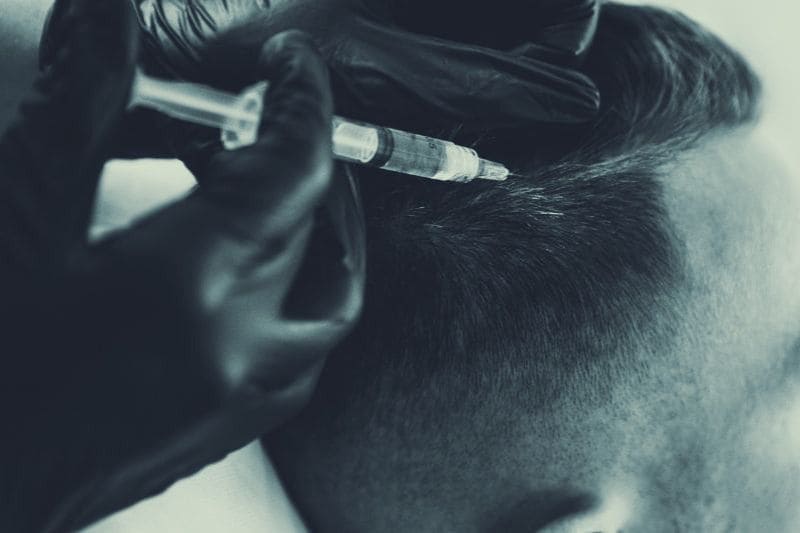
When indicated, field correction may be associated with stimulation care such as hair mesotherapy or Hair PRP. Nutrition prepares the ground, care optimizes it.
"I consulted the Dr. Mayatte after an advanced alopecia and from the first consultation that I confess shook me well and faced reality, I followed Dr. to the letter in term..."
"I came to see Dr.Cayatte in July to receive a notice about hair loss (androgenetic alopecia) The doctor communicates directly but has the merit of doing..."
"I recommend Dr. Cayatte with his eyes closed! I made a PRP for the eyebrows as well as the hair, and I'm really excited. She's listening, sweet and very professional, we feel..."
Our other medical and nutritional hair care in Montpellier
Frequently asked questions · nutrition and hair loss
scalp nutritional balance in Montpellier
Consult Dr. Marianne Cayatte to identify and correct deficiencies that weaken your hair.
4 Passage Lonjon, Place de la Comédie, 34000 Montpellier