PRP scalp in Montpellier · Treatment of alopecia by Plasma Riche in Platelets
Medically documented autologous technique to stimulate regrowth on androgenetic alopecia, telogenic effluvium and scalp strengthening. Results photographed at each session. Dr Marianne Cayatte, Montpellier.
scalp PRP · a regenerative medicine of precision
The PRP scalp (Plasma Rich in Platelets) is recognized by the international medical community as one of the most effective and safe treatments to fight hair loss and stimulate regrowth.
Technical autologist (the product injected comes from the patient's own blood), it combines remarkable safety with clinically documented results on androgenetic alopecia, telogenic effluvium and overall hair strengthening.
PRP Hair · photos before / after
Actual pictures of patients of Dr Marianne Cayatte · Variable individual results.
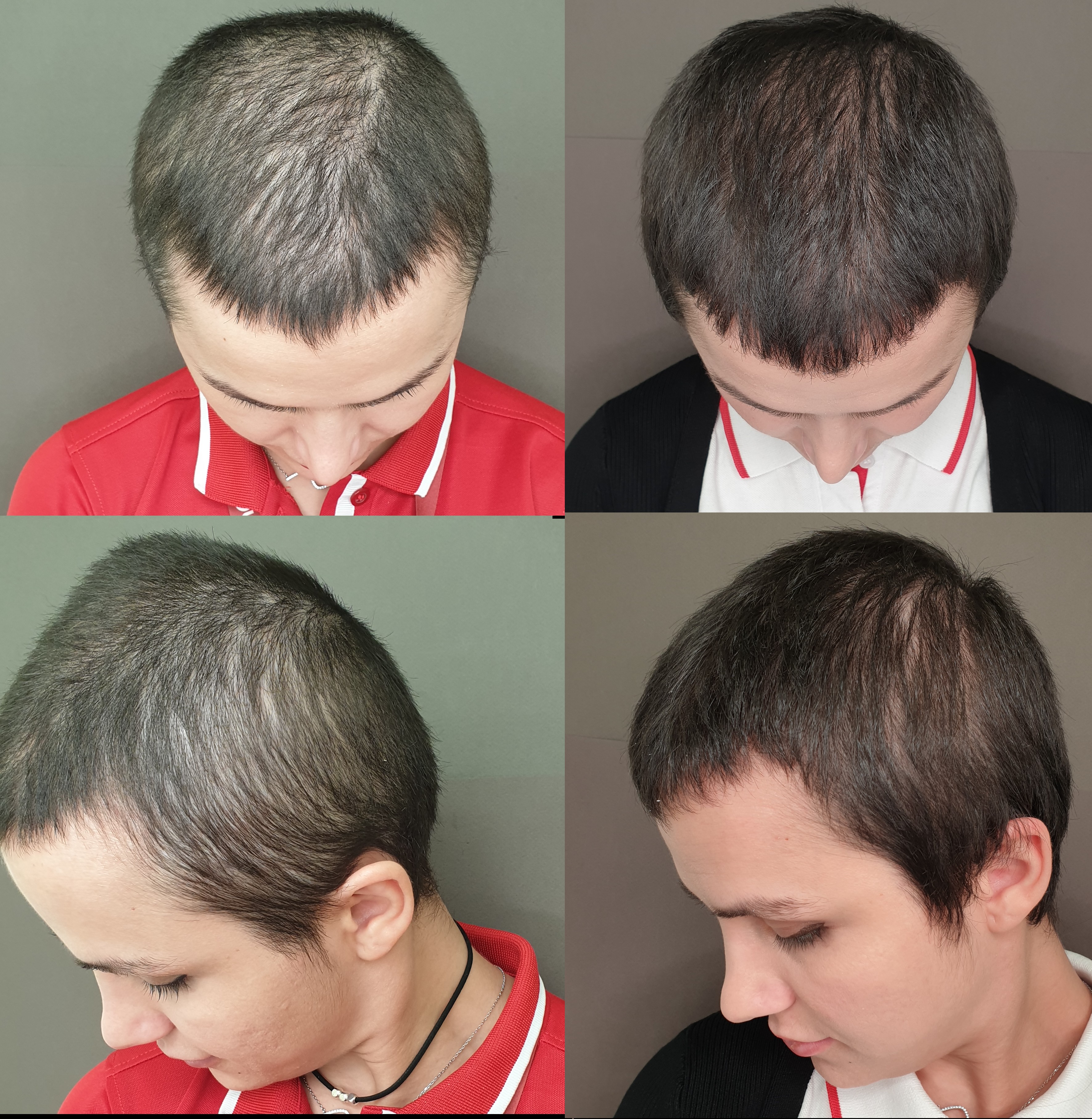 Before · After
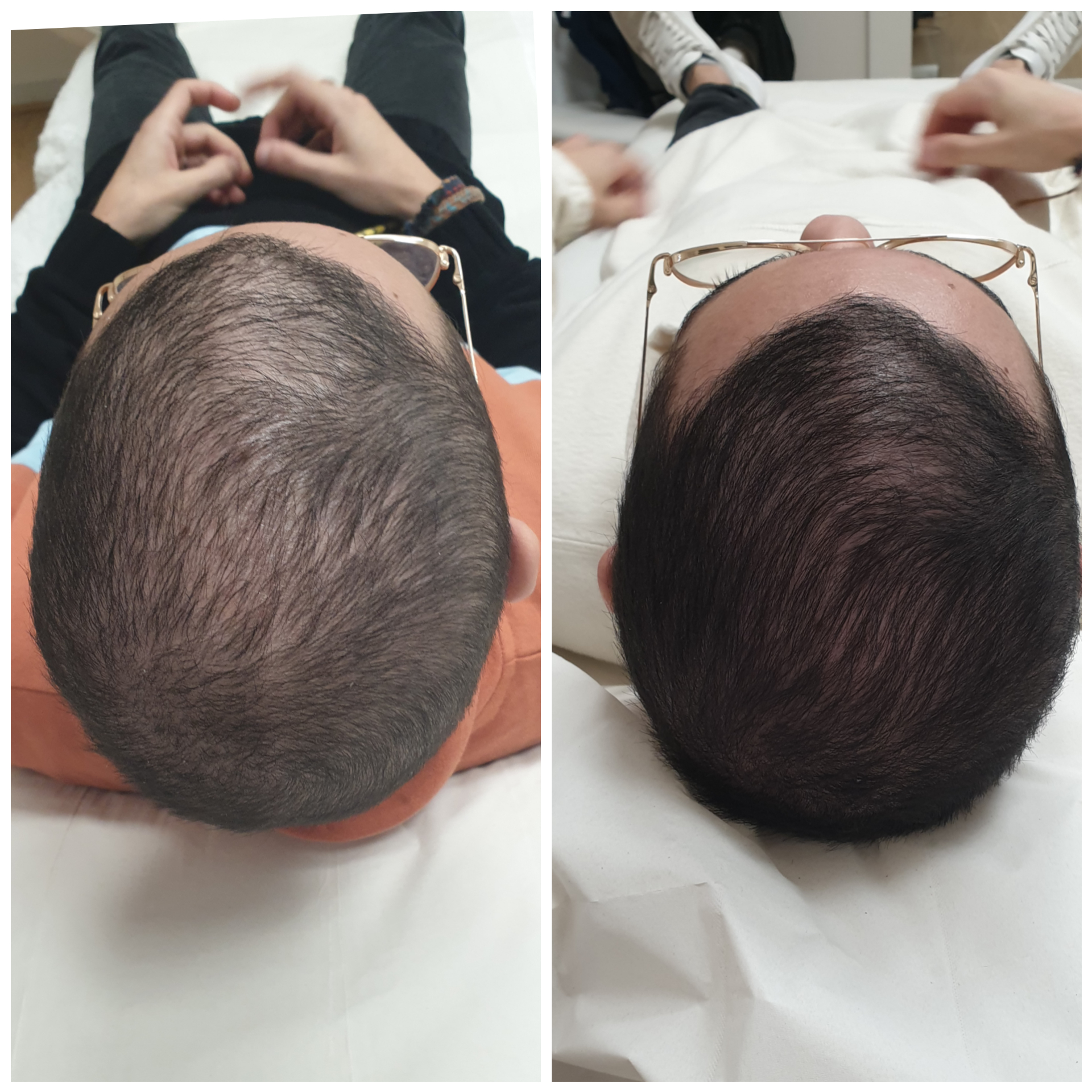 Before · After
 Before · Day 0
 After · 2 months
How does the scalp PRP work?
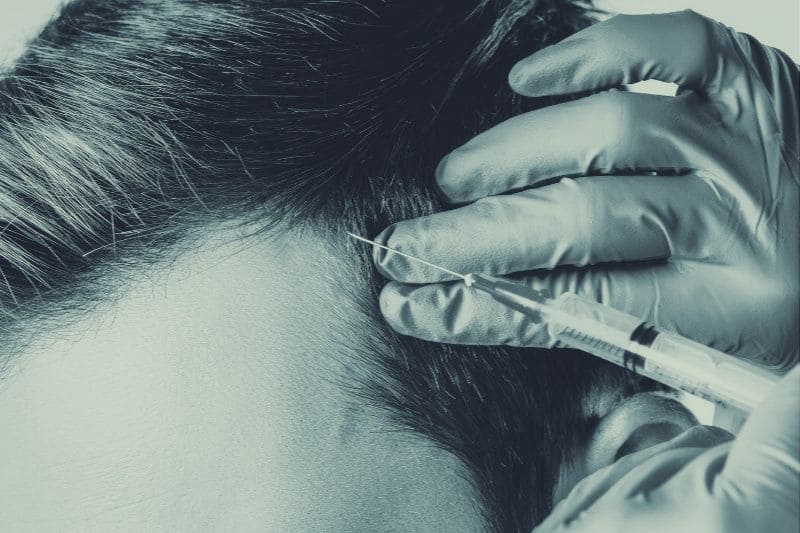
Blood contains platelets whose primary function is tissue repair. Activated and concentrated, they release growth factors that directly affect the stem cells of the hair follicle.
The scalp PRP step by step
A rigorous medical procedure, from pre-injection consultation. 30 to 45 minutes of session.
Prior medical consultation and assessment
Before any session, Dr Marianne Cayatte performs a complete consultation: scalp anamnesis, trichoscopic examination, prescription of a personalized biological balance (ferritin, TSH, zinc, hormonal balance, NFS). This assessment confirms the indication, eliminates contraindications and defines the optimal protocol.
Blood sampling
A venous sample of 10 to 20 ml of blood is taken at the elbow fold in sterile single-use tubes. It is recommended that you be well hydrated and eat normally on the day of the session.
Centrifugation and preparation of the PRP
Blood is placed in the CE-certified medical centrifuge. The standardized protocol (speed, duration, temperature) produces a pure PRP separated from the red blood cells in 8 to 12 minutes. The resulting PRP is a slightly amber liquid, rich in platelets and growth factors.
Platelet Activation
Just before the injection, PRP is activated by adding calcium chloride. This activation triggers platelet degranulation and immediate release of growth factors, maximizing their availability in the hair follicles.
Anesthesia of the scalp
An anesthetic cream (EMLA®) is applied 45 to 60 minutes before the session. For highly sensitive scalp patients, a local anaesthesia per superficial nerve block is proposed.
Intradermal injection into the scalp
The PRP is injected in intradermal micro-papules according to a systematic mesh pattern covering the rarefaction areas. Depth from 2 to 3 mm, targeting the dermal papilla. Between 100 and 250 injection points depending on the surface treated.
Post-injection care and instructions
Light suites: redness and slight sensitivity of the scalp 24 to 48 hours. Recovery from normal activity on the same day. Do not wash your hair 24 hours, avoid intense heat and sun exposure 48 hours.
Complete protocol · induction and maintenance phases
Recommended combination
PRP is ideally associated with alternating scalp mesotherapy, targeted nutritional correction (ferritin, zinc, vitamin D) and, if appropriate, topical treatment with minoxidil. This multimodal approach is the most effective in medical literature.
Who's the scalp PRP for?
- Female androgenetic alopecia (FAGA stages I–III Ludwig)
- Male androgenetic alopecia (Hamilton-Norwood I–IV)
- Chronic telogen effluvium (stress, pregnancy, postpartum, deficiency)
- Tensile Alopecia (repeated tight hairs)
- Preparation for a hair transplant
- Maintenance of hair capital in prevention
To be evaluated in consultation
- ×Severe thrombocytopenia (platelets)
- ×Severe coagulation or anticoagulant disorders
- ×Significant anaemia (haemoglobin
- ×Active scalp infection (follicleitis, moth)
- ×Autoimmune active or immunosuppressive disease
- ×Pregnancy and breastfeeding
- ×Cancer or chemotherapy in progress
- ×Cicatric alopecia (destroyed follicles)
What the scientific literature documents
Data from published randomized controlled studies (Li et al., 2022; Hausauer & Jones, 2018; Giordano et al., 2020).
Important note
PRP does not cause hair to grow in areas where follicles are permanently absent (advanced baldness established for more than 5 years). It is particularly effective in treating the remaining miniaturized follicles, which justifies early management.
Combine PRP for amplified results
Dr. Marianne Cayatte proposes a multimodal approach. The PRP alone is effective, but its combination with other hair treatments increases the effects.
Hair mesotherapy
The U225 gun allows accurate micro injections of scalp cocktails (vitamins, minerals, amino acids) into the scalp. Optimizes the scalp terrain between each PRP session.
Radiofrequency of scalp
Stimulates local microcirculation and improves oxygenation of the hair follicles. Prepares vascular terrain and promotes the diffusion of growth factors around treated follicles.
Photobiomodulation LED
Red and near infrared LED light stimulates the cell metabolism of follicles, reduces perifollicular inflammation and prolongs the anagenic phase. Can be performed as a direct complement to the PRP session.
PRP vs. other hair treatments
| Criteria | PRP scalp | Mesotherapy | Topical minoxidil |
|---|---|---|---|
| Level of evidence | ★★★★★ | ★★★ | ★★★ |
| 100 % autologous (0 allergen) | Yes | No | No |
| Action depth | Dermal papilla | Average term | Surface |
| Duration of holding | 6–12 months/sessions | 3-4 months/sessions | Daily (stop = relapse) |
| Follow-up | None | ||
| Possible combination | Recommended | Yes | Yes |
"I recommend Dr. Cayatte with his eyes closed! I made a PRP for the eyebrows as well as the hair, and I'm really excited. She's listening, sweet and very professional, we feel..."
"I consulted the Dr. Cayette after an advanced alopecia and from the first consultation that I confess shook me well and confronted reality, I followed Dr. to the letter in term..."
"I came to see Dr.Cayatte in July to receive an opinion on a hair loss (androgenetic alopecia). The doctor communicates directly but has the merit of doing..."
Our other medical treatments against hair loss in Montpellier
Frequently Asked Questions · scalp PRP
Evaluate your alopecia with Dr. Marianne Cayatte
Prior medical consultation is the first necessary step. It includes trichoscopic examination and prescription of the appropriate biological balance.
4 Passage Lonjon, Place de la Comédie, 34000 Montpellier